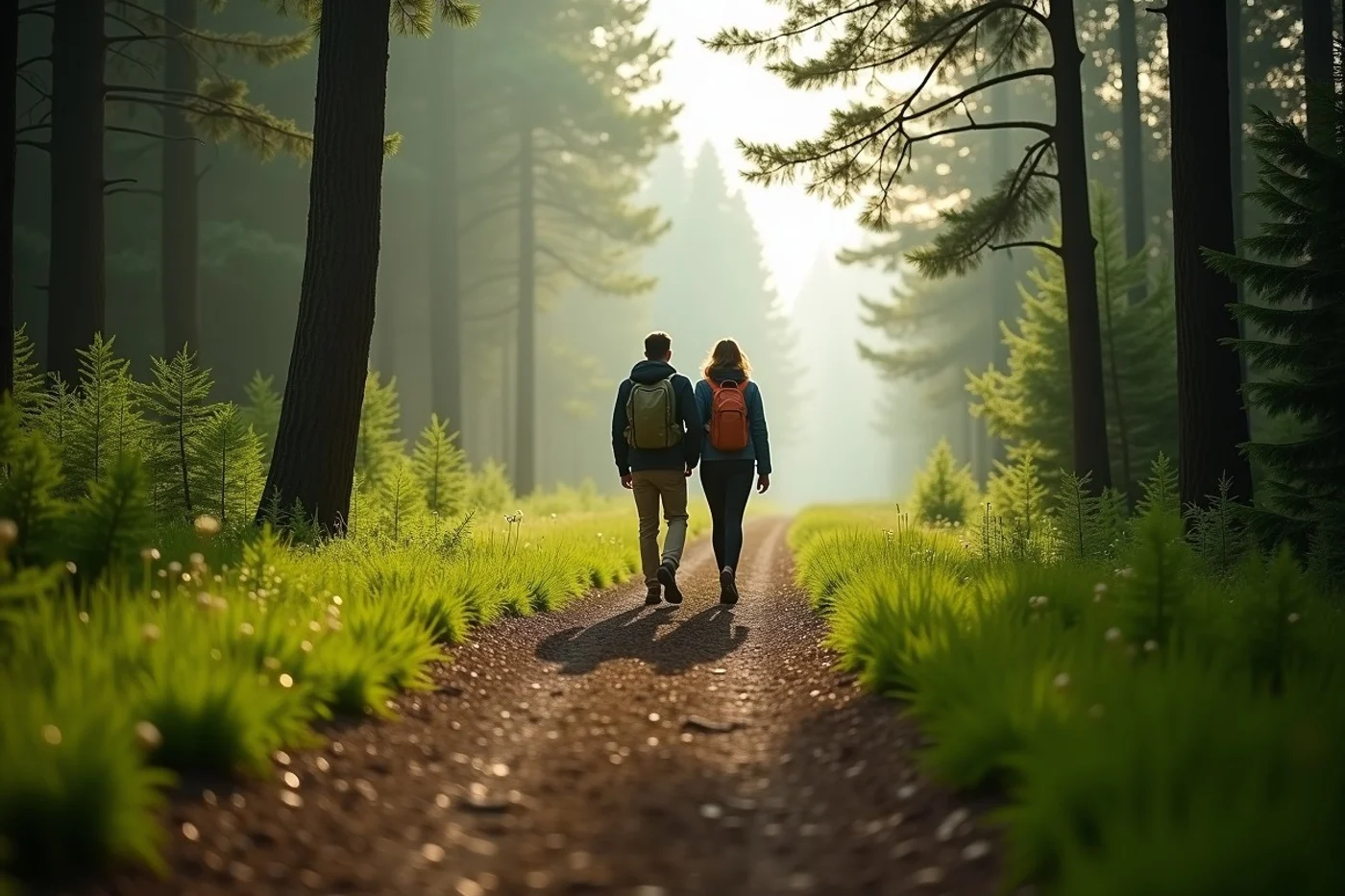
The best way to meet singles through hiking groups is to join a recurring hike that fits your pace, attend several times, and let familiarity develop before suggesting anything beyond the group. Look for an established local schedule, select a route with built-in breaks and post-hike conversation, then speak with several hikers rather than focusing only on the person you find attractive. Hiking works because the shared activity supplies natural topics. It stops working when the outing becomes a private audition.
By Meet Naturally Editorial Team · Editorial policy ·
Find established hiking groups with reliable local schedules
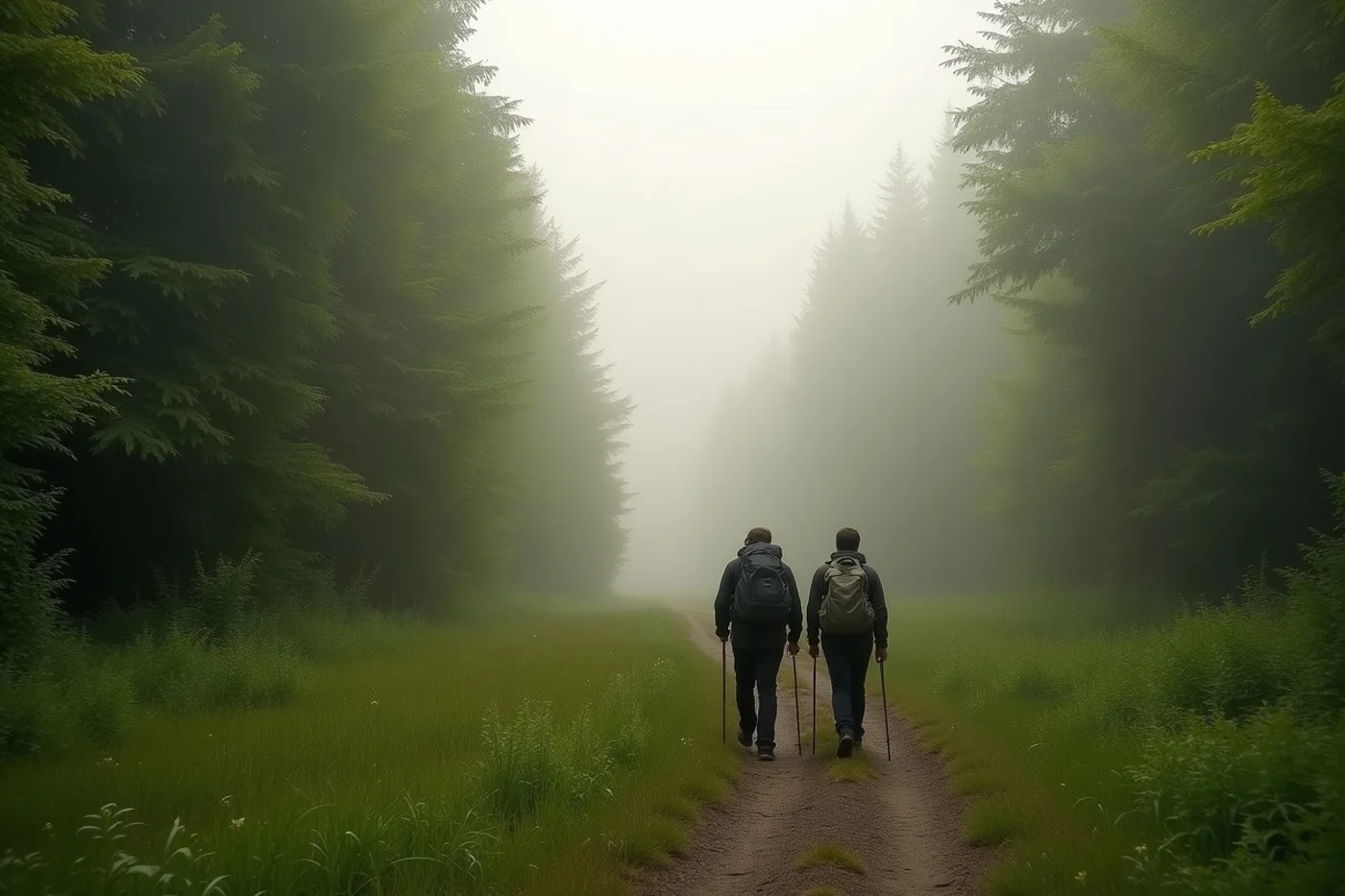
Start with sources that publish an actual schedule: city or county parks departments, outdoor recreation organizations, local hiking clubs, and organizer platforms with event details. Search for groups that run hikes more than once, since repeated attendance creates better conditions for friendships and dating than a one-off gathering.
The listing should explain the route length, difficulty, expected pace, meeting location, and organizer requirements. Some groups ask participants to register, sign a waiver, or bring specific equipment. Read the current event details before attending, then confirm that the hike is still scheduled and that newcomers are welcome.
A recurring local group with a visible organizer is a stronger starting place than a vague social listing with no clear plan. The structure helps you arrive knowing what will happen, while regular attendance lets connections develop without forcing the first meeting into a dating conversation.
Pick hikes that fit your pace and leave room for social interaction
2
Moderate route with scheduled breaks
Breaks create natural chances to talk without slowing the group.
A route that is too easy or too short might provide little shared time.
Long or strenuous route
Several hours together create plenty of shared experience.
A demanding pace leaves little attention for conversation and separates slower hikers.
Small group with a mix of newcomers and regulars
Introductions feel less awkward, and regulars provide an easy entry into the group.
A very small group offers fewer possible connections if the fit feels off.
Hike with an announced post-hike gathering
The relaxed setting extends conversation beyond trail logistics.
The extra time only helps when the group actually welcomes informal conversation.
Talk on the trail without disrupting the group experience

The trailhead is often the easiest place to introduce yourself. People are finding the meeting point, adjusting gear, and learning the plan, so a brief introduction fits the moment. Questions about how someone found the group, how often they hike, or what kind of routes they enjoy keep the exchange connected to the setting.
Once the hike begins, conversation works best beside someone traveling at the same pace. Natural pauses, water breaks, viewpoints, and regrouping points offer better openings than a narrow or technical section of trail. Let the conversation stop when the group starts moving again. Keeping up with the hike matters more than extending every exchange.
Personal space and group rhythm still matter. Don’t crowd someone who has moved ahead, fallen behind, or put on headphones. Speak with several people across the outing, and notice whether the interaction stays mutual. A hiker who gives short answers or turns back toward the trail deserves room to continue independently.
The post-hike period often feels less formal. Conversation over a group snack or at a nearby gathering can develop without competing with uneven ground and changing pace. Trying to cover a strenuous route, meet everyone, and secure a date on the same day is too much. One good exchange is enough for a first outing.
Build on familiar trail connections after you have seen each other repeatedly
After several hikes, familiar details start to accumulate: a shared preference for shorter routes, a conversation that resumed at the next break, or the same post-hike gathering. That context changes the interaction. You’re no longer approaching a stranger with no reason to speak; you’re extending an established connection.
A simple invitation to attend another scheduled hike together is proportionate at this stage. An off-trail plan, such as coffee after an upcoming hike, also fits when your conversations have been consistent and relaxed. Keep the invitation specific and separate from the larger group’s plans so the other person has an easy way to decline without discomfort.
A positive response should lead to one clear next step, not an elaborate dating plan. If the interest isn’t returned, remain courteous at future hikes and continue participating for the activity itself. The group should stay comfortable for everyone, including you.
Commit to one recurring hiking group and attend enough outings to become a familiar face. The strongest offline connections usually grow from shared activity, repeated contact, and a straightforward invitation at the right moment.