
Imagine arriving at a festival with plenty to see but no clear opening to talk to anyone. How to meet singles at festivals without making it feel forced comes down to joining the event's natural pauses, starting with what you are both experiencing, and letting interest develop at an ordinary pace.
By Meet Naturally Editorial Team · Editorial policy ·
Some festival formats create more natural conversation than others
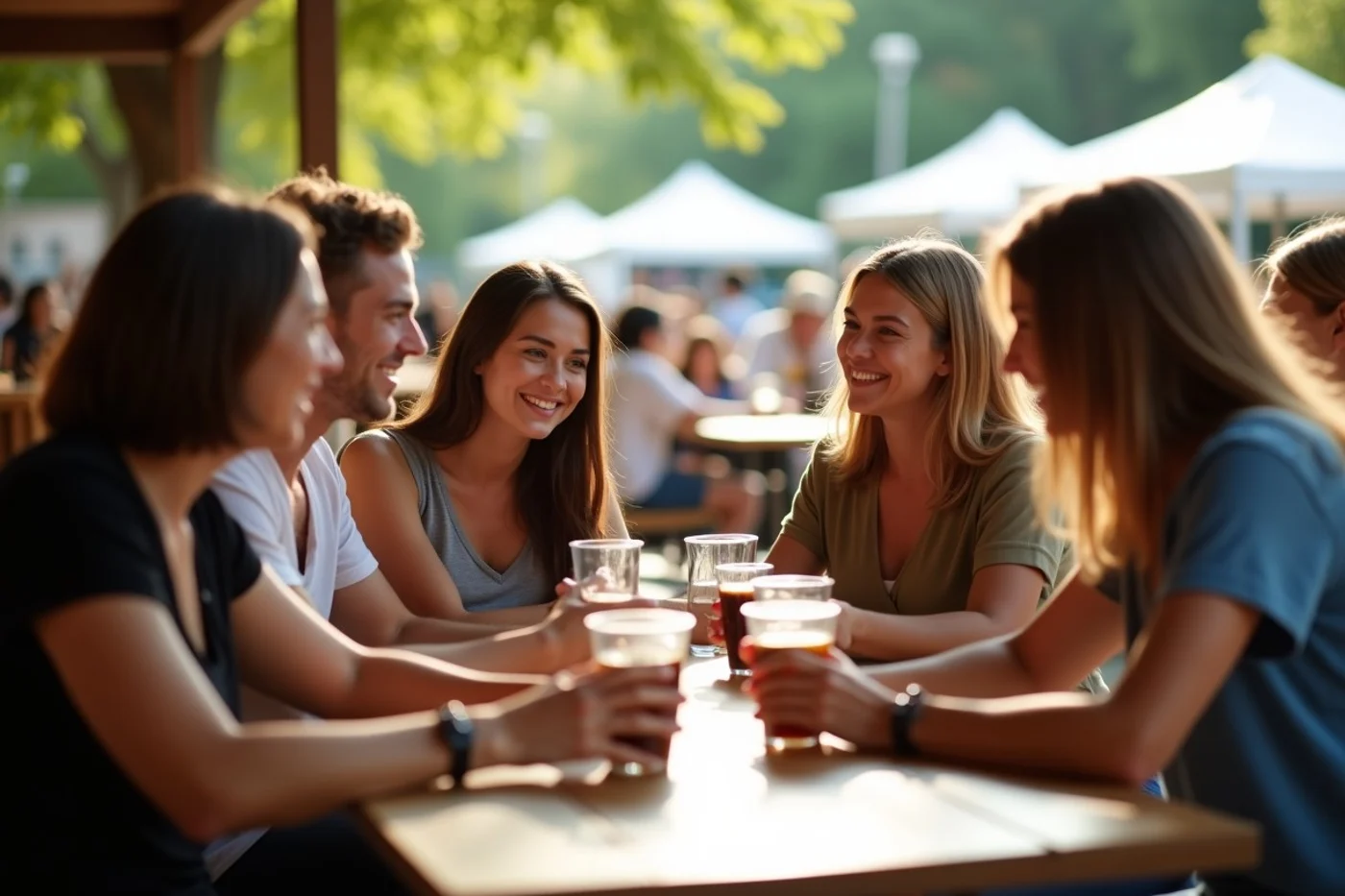
Festival format shapes the kind of contact available. Music festivals provide shared performances and lineup changes, but large grounds and loud stages often limit conversation. Waiting at a food festival creates more verbal space, since people are already comparing vendors, dishes, and choices. Arts festivals add exhibits, demonstrations, and hands-on activities that supply specific subjects to discuss.
Neighborhood festivals usually operate on a smaller community scale. Their streets, seating areas, and local activities bring people back through the same spaces, which supports repeat encounters. Activity-based festivals, such as events centered on making, learning, or participating, offer the strongest conversational structure because attention rests on a task as well as the crowd.
For meeting someone offline, a festival with participation and natural pauses usually serves better than an event built around constant movement between attractions. A sprawling music festival still works, but the useful moments tend to occur away from the stage, where distance and noise stop controlling the interaction.
Look for social moments beyond the main attraction
Arrivals, vendor lines, and transitions between performances create brief stretches when people are already standing still. Activity areas and workshops offer a stronger opening because everyone has a shared task or subject in front of them. Seating zones near, but not directly inside, the busiest attraction also support conversation without forcing anyone to miss the main event.
Festival layout matters. At an event spread across several blocks, a conversation near one stage may end when someone heads toward a distant program area. A compact festival creates more chances to cross paths again. Pay attention to the schedule and let the quieter gaps guide where you spend time.
Use the festival itself to open a brief, genuine conversation
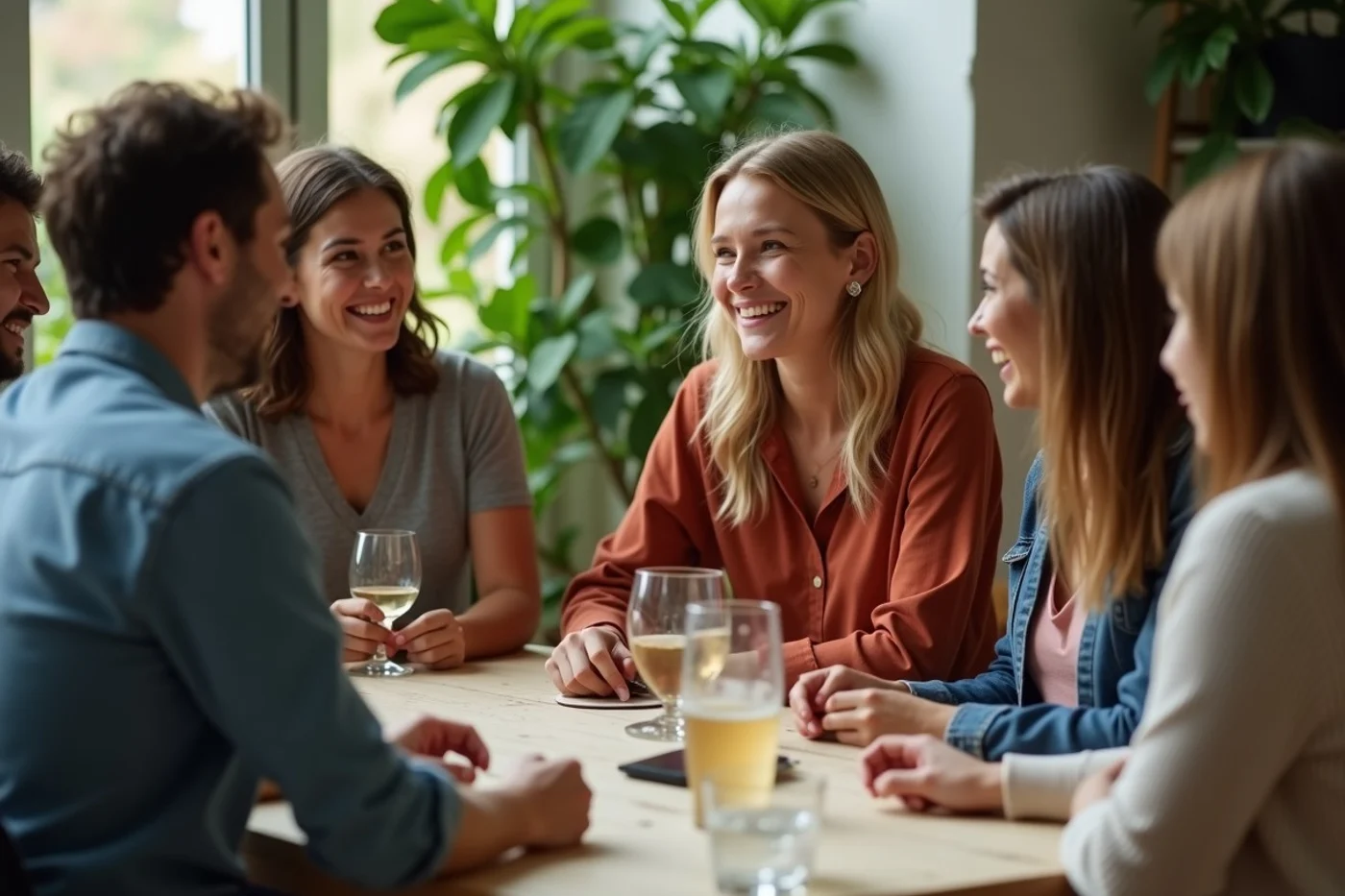
The strongest opening usually points to one shared detail. A performance invites a reaction about the set or the next act. An exhibit supplies a question about a striking piece or demonstration. A food vendor creates an opening through a menu choice, preparation method, or recommendation. An activity area supports a comment about the task, its difficulty, or what brought someone there.
Logistical choices work too: comparing seating areas, finding a workshop, or deciding which part of the grounds to visit next. These subjects fit the setting and give the other attendee an easy way to respond without disclosing anything personal.
Keep the first exchange narrow. One observation followed by a response tells you more than a string of personal questions. When the other person adds detail, return to that detail briefly and let the conversation end naturally if the festival pulls their attention elsewhere.
Notice whether the other person has room and interest to engage
Festival enthusiasm produces quick smiles and polite replies, so one friendly reaction proves little. Stronger interest appears when the attendee asks a question back, answers without rushing, turns their body toward you, or returns to the conversation after checking the schedule. Re-engagement carries more meaning than a single burst of excitement about the event.
Short answers, repeated glances toward companions, headphones, active preparation for a workshop, or attention fixed on a performance signal that their focus belongs elsewhere. Someone standing alone is not automatically inviting conversation. Read the whole moment, then end the exchange cleanly when engagement stays one-sided.
Reciprocity is the deciding signal. Continue only when the conversation is being carried by both people.
Make a simple follow-up connection before you part ways
A festival offers several low-pressure next steps. When both of you are enjoying an activity, suggest seeing the next part together or visiting one more area before the schedule changes. When the event is ending, connect the shared interest to another local gathering or activity without turning the suggestion into a promise about the future.
Contact details fit best after a conversation has developed across more than one exchange. The reason for staying in touch should be visible: a workshop you both enjoyed, an artist or activity you discussed, or another event that naturally follows from the day. Offering your own contact information keeps the decision in the other person's hands and prevents a brief festival interaction from feeling like an obligation.
Keep the next step small. Before one of you heads to a different stage, train, or parking area, make one straightforward suggestion and accept the response without extending the negotiation.
A few details worth clarifying
Is attending a festival alone a disadvantage?
Going alone gives you control over your schedule and lets you move between activities without coordinating with a group. It also creates more openings to join a workshop, sit near other attendees, or revisit a place where a conversation started. Plan a few features you genuinely want to see, so meeting people remains part of the day instead of the entire reason for being there.
How do I keep festival excitement from being mistaken for romantic interest?
Separate the shared thrill of the event from the person's effort to continue talking. A strong reaction to a performance is temporary; reciprocal questions, re-engagement, and interest in another interaction provide better evidence. Keep the first follow-up modest and let a second setting reveal whether the connection extends beyond the festival atmosphere.
At your next festival, identify one participatory area before arriving, return during a natural pause, and make one modest follow-up suggestion when the conversation is reciprocal.