Pick a creative activity with a recurring group, not a one-off event built around quick introductions. Creative hobbies that help you meet people work best when the same adults return, share visible work, and have natural pauses to talk. Ceramics, choir, improv, dance, writing workshops, and maker groups all create that setting; the strongest option is the one you would attend for the activity itself, week after week.
By Meet Naturally Editorial Team · Editorial policy ·
The most socially useful creative hobbies create repeated contact around a shared focus
A creative hobby becomes socially valuable when people encounter one another more than once, work on something visible, and have brief pauses between tasks. A recurring class, club, or studio session gives names and faces time to become familiar without forcing an immediate personal conversation.
The format matters as much as the subject. A room where everyone works alone with headphones offers fewer openings than a shared table, critique circle, ensemble rehearsal, or partner exercise. Shared materials and visible progress supply specific subjects: a technique, a difficult passage, a design choice, or the next step in a project.
Regular attendance builds context; context gives later conversations somewhere to begin. Look for activities with a repeating schedule, a group large enough to include new people, and a participation level that leaves attention for both the work and the room.
Visual arts and craft circles make conversation easy to anchor in the work
Ceramics, drawing groups, painting studios, photography walks, textile circles, woodworking, and similar settings put a shared object or technique in front of everyone. Questions about clay, composition, stitching, lighting, or joinery feel more natural than an abrupt personal introduction because the work supplies the subject. Photography walks add movement and observation; craft circles often create a shared table rhythm. Formats with demonstrations, peer feedback, or open work time offer more interaction than a fully solitary studio session.
Music, theater, and dance groups build familiarity through coordinated practice
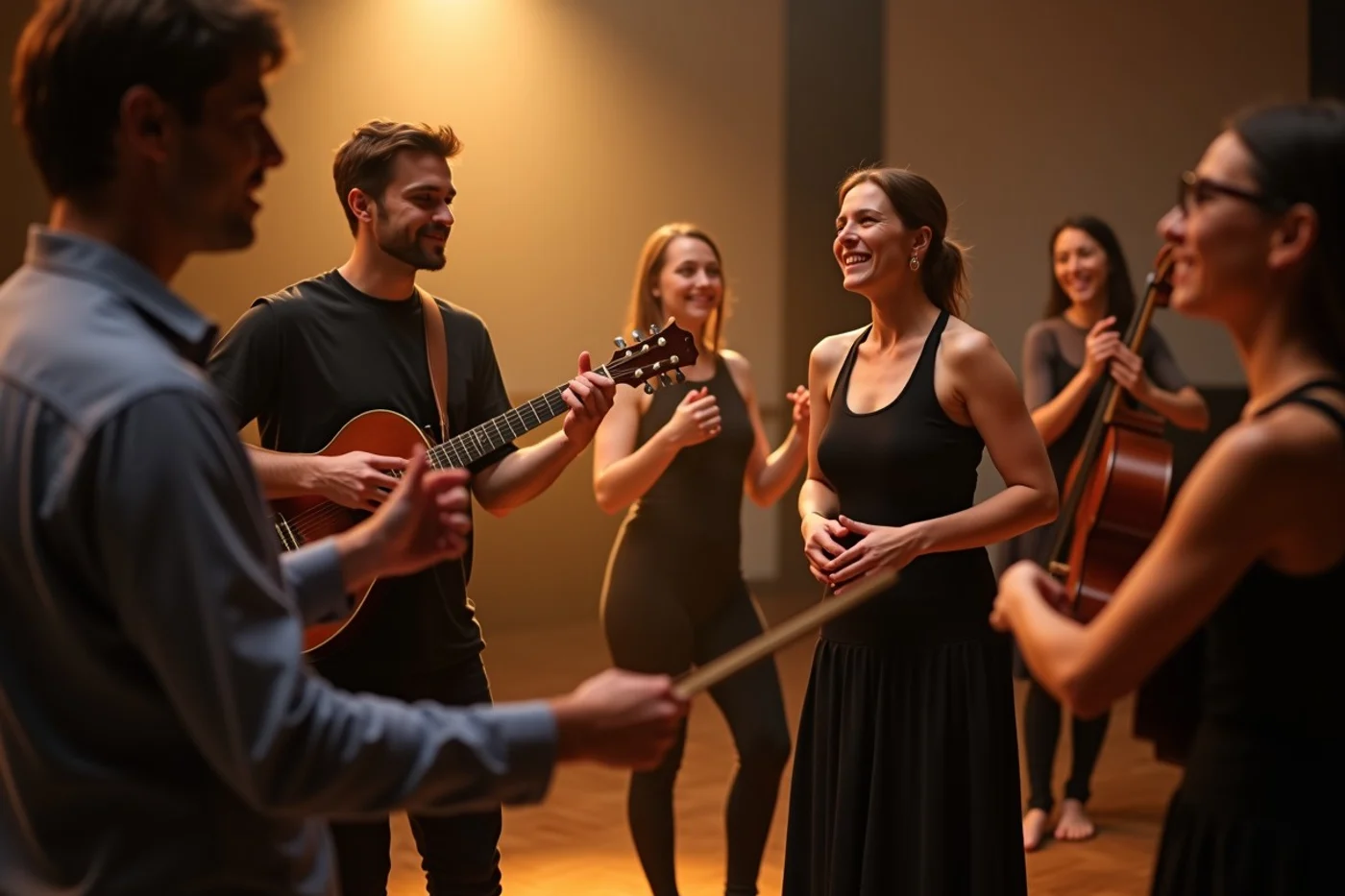
Music, theater, and dance create repeated contact through coordination. Choirs and community bands rely on shared rehearsal, while theater productions and ensemble workshops build familiarity through scene work, technical preparation, and a common performance target. Improv adds quick collaboration, but its social value comes from returning to the same group and learning how people respond to one another over time.
Partner dance brings a different structure: participants practice timing, rotation, and physical coordination within a defined class format. The activity supplies a reason to work with several people, which prevents one interaction from carrying the entire evening. Ensemble groups also reveal dependability and enthusiasm in ordinary moments such as rehearsals, warmups, and preparation.
The strongest fit is a group whose schedule and commitment level match your life. A production requiring sustained rehearsals creates deeper familiarity, while a weekly workshop offers a lighter ongoing connection. Both work better than a single performance viewed from the audience.
Cooking, writing, and maker groups turn a finished project into a natural talking point
Cooking clubs, writing workshops, book-making sessions, design labs, repair groups, and maker spaces give conversation a beginning, middle, and result. Participants discuss ingredient choices, story structure, binding methods, design decisions, repairs, or prototypes because those details are already part of the activity.
The finished project creates a second opening after the work ends. A recipe, short piece, assembled book, repaired object, or tested design provides something specific to revisit at the next meeting. That continuity matters when introductions feel forced: recognition grows from seeing how someone works, what they notices, and which projects hold their attention.
Solo-heavy formats need a deliberate social structure to produce the same effect. Shared tables, peer critique, demonstrations, rotating projects, and member-led sessions create more contact than a workspace where everyone arrives with separate tasks and leaves without exchanging feedback.
The right hobby is one you would continue even if dating never happened
Genuine interest is the first filter. An activity that holds your attention gives you a reason to return, and repeated attendance matters more than a room's supposed dating potential. Next, examine the schedule, group format, and participation level: a weekly class, open studio, club, or ensemble each creates a different pattern of contact.
Cost and travel belong in the decision because an appealing activity that strains your routine will not produce sustained familiarity. The final test is simple: picture attending several sessions with no romantic development. The hobby still deserves a place on your calendar when the work, learning, or creative company remains worthwhile.
Questions that often come up
Are one-day creative workshops worth attending?
Yes, as a way to test the activity and its social atmosphere. A single workshop offers limited time for familiarity, so follow-up matters: look for a recurring class, club, open studio, or project group connected to the same interest.
What is the difference between an open studio and a structured class?
A structured class supplies a shared pace, instruction, and a common task. An open studio offers more independence and informal check-ins. Classes suit people who value guided collaboration; open studios suit participants who already have a skill and prefer conversation around ongoing work.
How do I tell whether a creative group is socially active?
Look for shared work areas, demonstrations, critique or show-and-tell sessions, breaks, member-led projects, and regular attendance. A group does not need a formal social program, but its structure should bring participants into contact beyond brief greetings.
Your next move is a two-way choice. Pick a structured class for shared pacing and clear collaboration, or a recurring open studio or club for looser conversation around an existing skill. Bring genuine interest to the room and return often enough for familiarity to form.