
Some volunteer roles keep people moving in parallel; others put a small crew on a shared job long enough for names to stick. The best volunteer activities for meeting people are recurring, team-based shifts with a clear task, a short orientation, and natural pauses around the work. A solo assignment still serves a worthwhile purpose, but it rarely creates the repeated contact that turns familiar faces into connections.
By Meet Naturally Editorial Team · Editorial policy ·
What makes a volunteer role naturally social
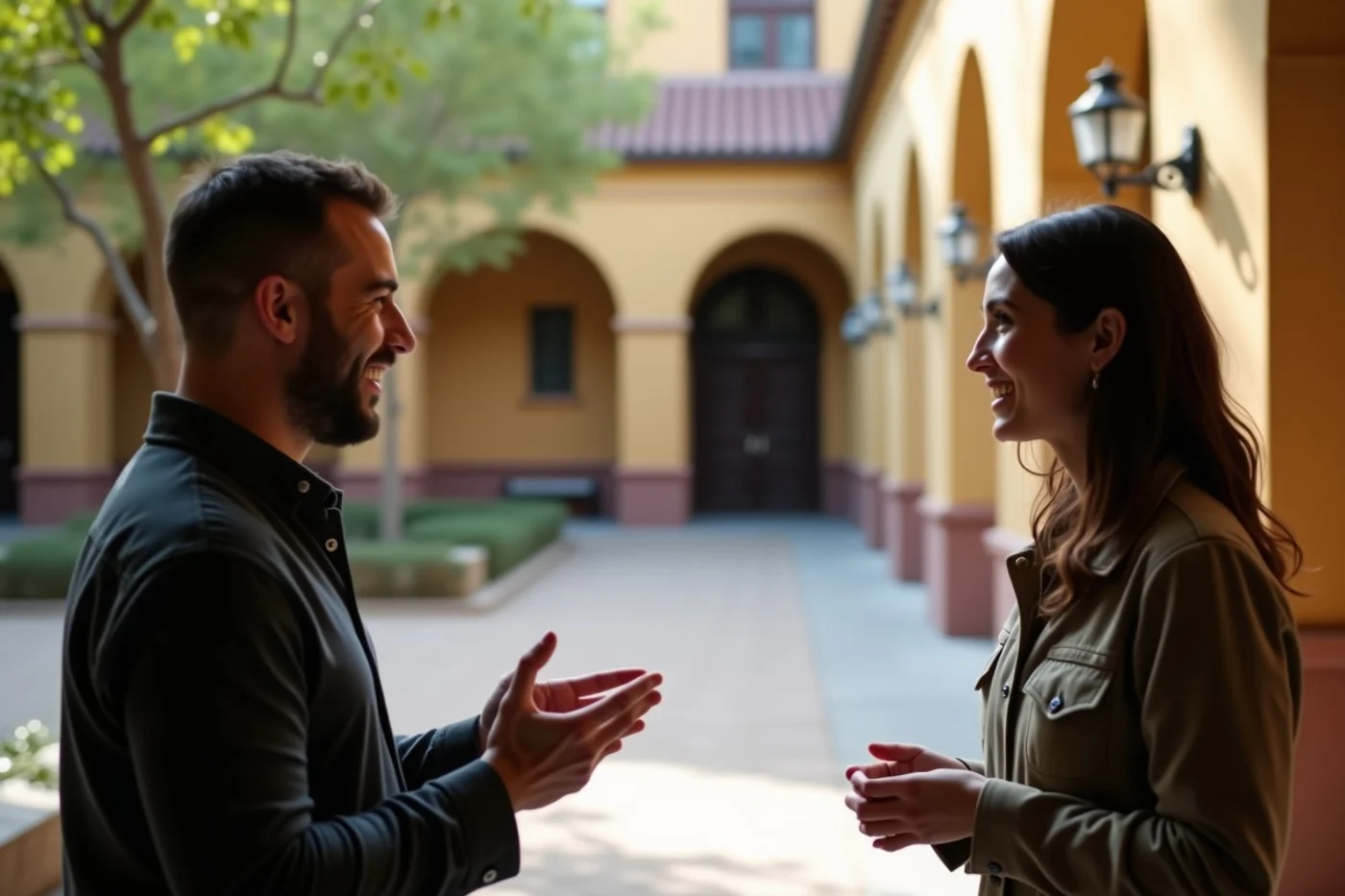
Social contact grows out of the work itself. Roles with a shared task, a small team, and a coordinator who divides up responsibilities create reasons to speak without forcing a social performance. Sorting donations beside two other volunteers or tending a garden bed with a crew has built-in coordination; people need to identify supplies, track progress, and solve small problems together.
Orientation time matters more than it sounds. So do the ten minutes before a shift begins and the cleanup period afterward. A role that assigns volunteers to separate stations, keeps everyone under time pressure, and ends the moment the task is done offers less social texture. Look for a format where the work has a steady pace and volunteers work within hearing distance of one another. Shared purpose supplies the first connection; repeated presence gives it weight.
Recurring teams and one-time events offer different connection opportunities
A weekly shift builds familiarity. The same volunteers learn who arrives early, who handles certain tasks, and who stays to put equipment away. That recognition is the useful part of recurring service: nobody needs to manufacture an excuse for a first interaction every time. A Tuesday evening shift that begins at 6:00 p.m. also becomes part of the week, which keeps attendance from depending on last-minute enthusiasm.
One-time events bring more variety with less commitment. A park cleanup, fundraising event, or large community service day introduces a wider set of people, including volunteers who would never join a standing team. The drawback is obvious: names disappear quickly when the event closes and everyone heads home. These events suit someone testing causes or schedules, but they are weak ground for an ongoing social routine.
The strongest path is often sequential. Use a one-time event to learn whether the cause, physical work, and group atmosphere feel right, then put energy into a recurring team when one proves appealing. That sequence avoids signing up for a monthly obligation built around a cause that leaves you cold.
Volunteer formats that leave room for conversation

Task pacing changes the social atmosphere. Food distribution often pairs volunteers at packing tables or directs small groups through setup and cleanup. Community gardening keeps people near the same beds for a stretch of time, with visible work that prompts coordination. Habitat projects put crews on defined jobs, though noise, tools, and tight deadlines sometimes limit conversation during the work itself.
Event support has a different rhythm: volunteers may work check-in, guide attendees, reset a space, or handle supplies as a team. Neighborhood cleanups offer walking time between blocks and short regrouping breaks. For meeting people, food packing, gardens, and event support generally provide more face-to-face contact than highly dispersed cleanup routes or silent back-office work.
Match the cause and schedule to a role you will keep attending
| Role Fit | Social Routine Strength | Constraint To Weigh |
|---|---|---|
| Cause you genuinely care about | Conversation develops around a shared concern, and returning feels worthwhile even on an ordinary week. | A mission that feels remote from your interests turns each shift into an obligation. |
| Light or moderate physical work | Packing, event support, and garden tasks often keep a crew together without exhausting the evening. | Lifting, long outdoor routes, or extended standing can make regular attendance hard to sustain. |
| A fixed weekly or twice-monthly shift | Predictable attendance lets familiar faces become part of the routine. | An unpredictable work schedule breaks the repetition that makes these roles socially valuable. |
| A group with adults near your stage of life | Peer-focused groups may produce more overlap in schedules and daily concerns. | Age mix alone says little about whether the group is welcoming or whether the work suits you. |
Measure success by contribution and repeat connection rather than instant chemistry
A service shift is not a singles event, and treating it like one makes the room feel awkward fast. The better measure is simpler: did you contribute well, return, and become known to the people doing the work beside you? Recognition arrives before closeness. Someone remembers your name, saves you a spot on a task, or asks how your week went because you have shown up before.
That pace is a strength, not a failure of the format. Volunteer work filters out the frantic first-impression pressure common at social events and puts attention on reliability, cooperation, and shared interests. Friendship or romantic possibility may grow from that setting, but service needs to remain the reason everyone is there. Consistent contribution creates the conditions for connection; instant chemistry has no role in judging whether the activity was worthwhile.
Start with one team-based shift that recurs at a time you can protect for the next several weeks. Attend for the work first, and let recognition build on its own schedule.